
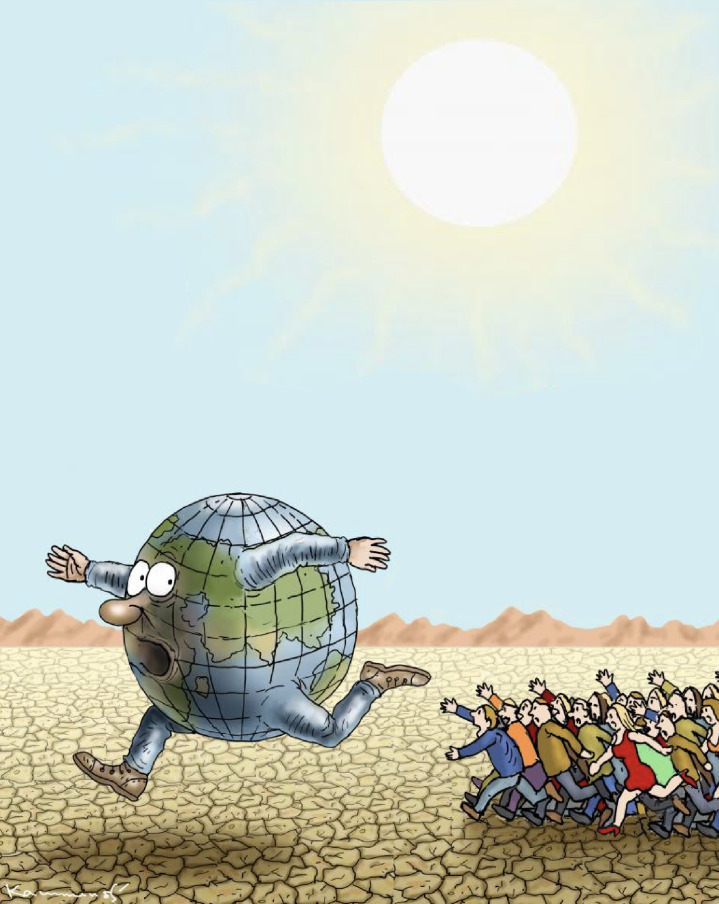
Blog #23 We must stop treating soil like dirt! (Blog 9 of 9 on Population)

Again, it’s actually very complicated because, since soil and all the lifeforms supporting it are organic and vary so much regionally, the dynamics change so much. Plus, as soils degrade just a little over time, the bad effects amplify. So the information below is meant to give readers unfamiliar with the subject an introductory peek about the sheer size of the numbers involved and how a smaller number of humans would make such a difference to the prospects of our long-term survival.
– The Earth has a diameter at the equator of only 7, 926 miles or 12755.66 kilometers. Surprised that we’re not that big?
-This diameter creates a total surface area for Earth of 197,000,000 square miles, 126,080,000,000 acres or 510,277,657,773.6 hectares.
– However, since 70% of the Earth is salt water, this leaves a total land mass of Earth: 57 million square miles, 36.48 BILLION Acres or 14.76 BILLION hectares.
– Arable land is land humans can grow food on. There are lots of variations and qualifications on the definition of arable land, which is one of the reasons it is so complicated.
Depending on the definition the numbers come out differently. As well, numbers are changing so rapidly because of humanity’s growth and different reports have slightly different information because of what they’re trying to prove. But the one constant I see in the various information sources is an unmistakable trend (trends are the important thing) – and that is we are near or already over capacity for being able to adequately feed our growing population.
However, if you disagree with the numbers, feel free to recalculate them using what you think is right and I’m sure you will see the same trend result.
– A note on my use of the word trend; Right wing commentators and politicians like to bring up individual situations in attempt to discredit scientific reports. For instance, I’ve often heard politicians saying something like, “Hey, we just had the coldest winter and years. How can there be global warming?” The reality is, individual days, years or situations are not relevant. It is only trends over decades that really tell an honest story.
To continue with numbers about soil;
– At this point in history there are 12 million square miles of land in cultivation or used as range land for cattle on Earth. That is 7.68 BILLION Acres, or 3.11 BILLION hectares.
– On average, worldwide, it takes approximately 1.2 to 1.5 acres to feed a person, depending on the information source.
Let’s go with the lower number. Of course, the amount of land needed also varies depending on diet, population density and cultural norms. Vegetarian cultures need less and high meat eating cultures use more. The 1.2 acres per person is average for everybody, so we’ll use that number for the next calculations.
– 7.68 BILLION acres divided by 7.5 Million people equals 1.024 acres per person. If we need 1.2 acres per person, this means, globally, we’re already over capacity for feeding people properly. This explains the famines happening now in central Africa, as their tropical and sub-tropical regions are getting hit first by climate change.
– Twenty years ago my Green friends and I argued that there was enough food for everybody, citing how greed, the international banking system and government policies wouldn’t allow it. There may have been enough land and food then, but this definitely isn’t true anymore. We are over capacity and the change happened quickly.
– If we can survive to a population of 8.5 BILLION, this means the same acreage would only allow just over .9 acres per person. Well under what we need, so expect more famines and refugees.
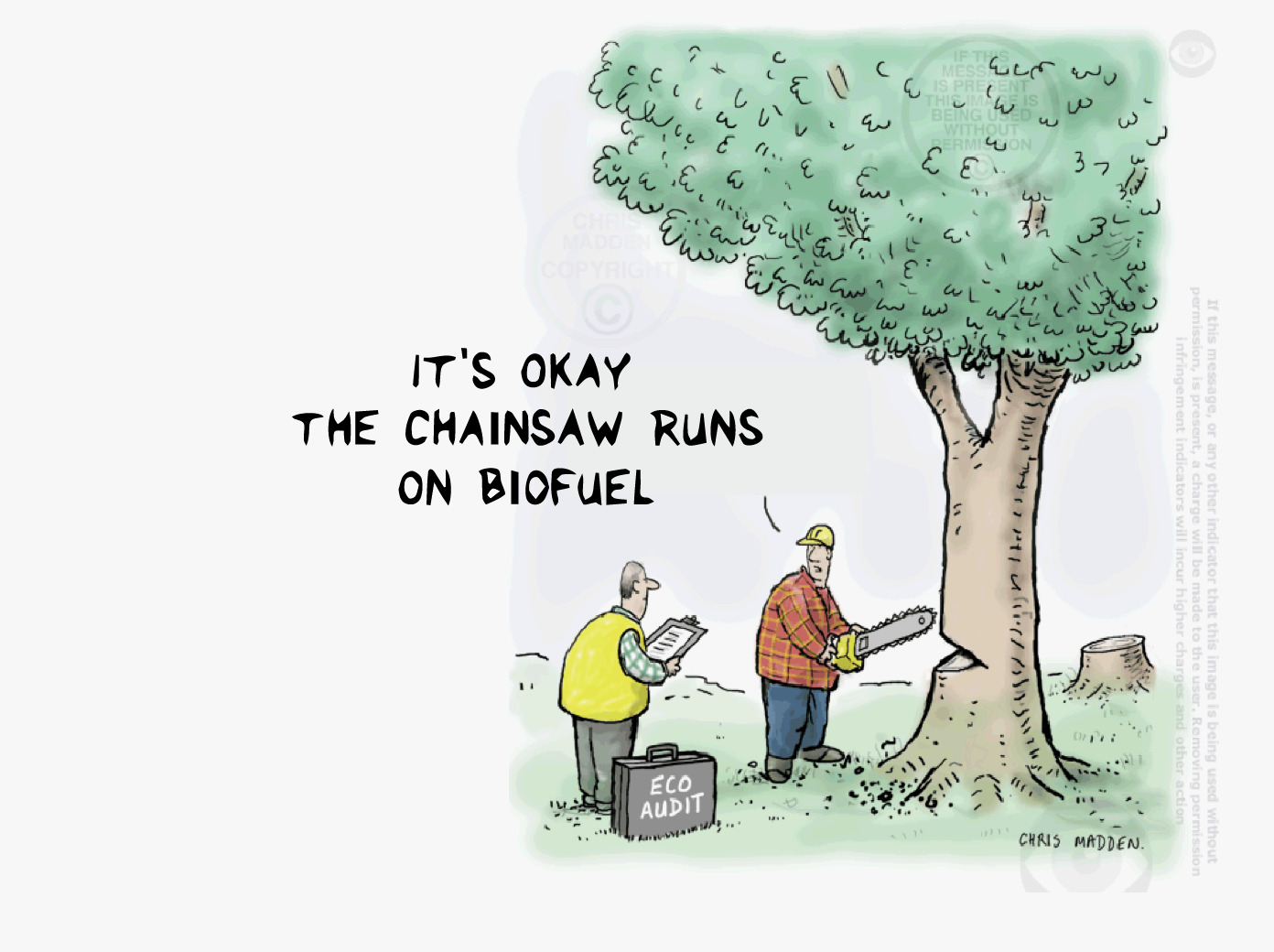
– We are presently continuing to cut down more forests to steal land from other animals and over-harvesting lakes and oceans, and that is not healthy for keeping the total environment healthy. But still we continue stealing this land from nature and it will continue to happen because of government and economic policies. A brutal example of this neo-conservative policy would be the Brazilian government under the thumb of its current president, Jair Bolsonaro.
Some fun(?) facts about soil and soil erosion:
– In the past 150 years, because of intensive agriculture, 50% of topsoil has been lost. It blows away with exposure to the wind, is washed into rivers and just disintegrates from overuse.
– Every year 24.7 MILLION acres (10 MILLION hectares) of farmland are lost to soil erosion. *(MDPI.com)
– As far as cutting down rain forests for more land to grow crops or graze cattle, soils in forests and jungles are actually not very robust. Nature needs the trees to grow, die and rot back into the soil to keep enough nutrition in the soil to support the next generation of trees. This is why forestry is really not a sustainable resource. We are only finding out now that we can get about two and a half tree crops before the trees stop growing “profitably.” As for the slash-and-burn techniques being used in South America to create grazing lands for beef, these fields only work for a few years because of all the ash in the soil from the burning. Once that is exhausted, the soil erodes away
And yet almost 30 MILLION acres (12 MILLION HECTERS) of rain forest are slashed and burned every year. And as of this writing, the new right-wing government in Brazil has reversed ecological and treaty laws with indigenous tribes and increased the number of hectares beef farmers are allowed to burn down.
– By the way, it takes nature 1,000 years to create 3 CM (1.18 inches) of topsoil.
And let’s not forget a fresh water supply. It too is becoming very unreliable. Honestly, a whole series of blogs can be done on this but, for now, I won’t. Interested readers can look up this topic and see how water patterns are changing and affecting everything we’ve discussed.
Okay. Enough with the depressing facts.
A full world necessitates Steady-state Economics:
To conclude these blogs about population, I hope enough rational information has been presented to make the case that any solution humans come up with in the creation of a positive long-term civilization will include a much lower human population.
As for the implementation of a steady-state economy, as I write these words, we’re in the early years of the 21st century.
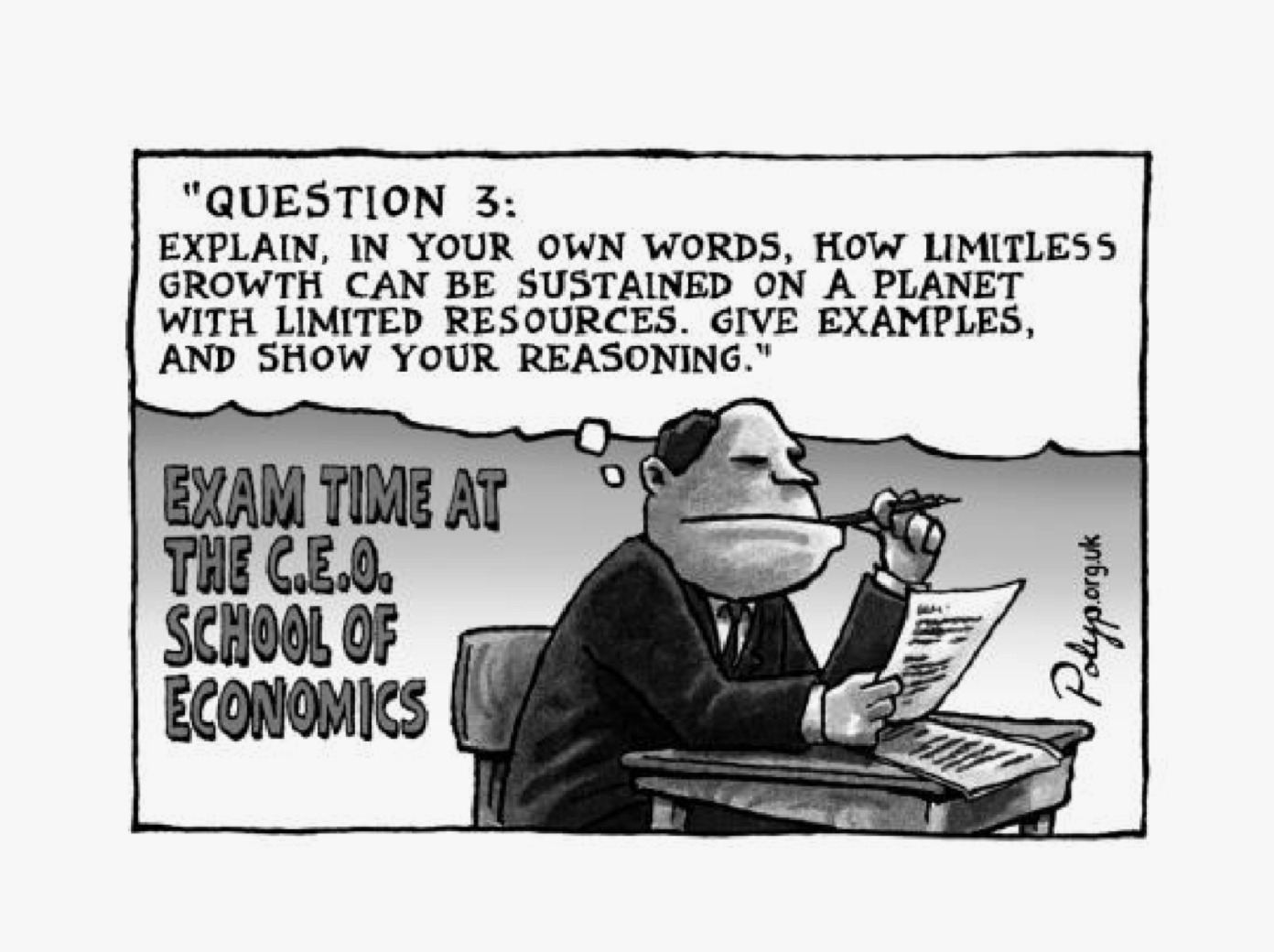
We’re living in what economists call a full world, where there’s little room for growth because of high populations and increasingly scarce resources. It is then logical that Steady-state economics, whose cornerstone is the environment, be promoted.
But consider this. Have you ever heard the idea that we must slow down our economy spoken about on a news program or in a political speech by a major politician? Have you? I’ve read it in books. I’ve read about it online. I’ve heard lectures on it, attended by some of the most intelligent people on the planet. But it’s never been seriously discussed by the media between or during an election.
We do indeed have a long way to go on this account.


Latest Blogs
Blogs in Order
Blogs by Category
Join
Leave your comments...
0 Comments