

Blog #25 Time banks and the capitalization of volunteers: (2 of 2, on Alternative Currencies)

Now IMAGINE if all these millions of volunteers received compensation in a time-based currency. That would quickly increase a time bank membership base, the thing that is holding alternative currencies back. The percentage of people volunteering would not only increase, the profile of the average volunteer would change. Instead of having mostly retired workers, homemakers and students looking to enlarge their resumes, it would to include out-of-work or under employed people, for they could use those credits to improve their lives. Also, I’ll expand on this later, but I’ll mention TEMPO, a UK-based time bank system run by a government agency. Their time bank credits are mandated to be used by citizens to go back to school, and also for their children to participate in after school programs.
A single small commercial example of how alternatives could be used; Imagine a young accredited plumber who is only working part time. He or she could offer plumbing services in the community for time credits. Perhaps an elderly person is having trouble paying for repairs to their home or they don’t want to spend their RCCs on this. The young tradesperson could be engaged and, the work done, could be registered in an electronic timebank system that both parties are members to.
Essentially, the work being done creates the credits, just like banks do now when creating credits for potential profits that a business client has convinced them of as possible. And what would the young plumber do with these credits he or she has earned? They could buy locally grown food, get a haircut, or perhaps take guitar lessons, something they might not otherwise be able to afford for some years. This improves the young person as a more fully rounded adult earlier than they would have, builds their reputation as a plumber, allows seniors to stretch their limited national-currency budget, and improves all of their hometown’s infrastructure.
Let’s remember, in many jurisdictions, infrastructure is crumbling and, as for self-improvement, at any time in life, especially early on, it is wonderful.
So, how to get this started?
IMAGINE if a time bank board approached institutions that use large numbers of volunteers and put forward the offer that any of their volunteers who want can join the local time bank can receive credits for each of the hours they donate to the institution. (hospitals, senior homes, any recognized charity) The time bank would create the time credits. Beyond having to confirm the hours donated, the charity would not have to do anything else. As somewhere around 30% of first-world populations volunteer their time to any number of causes, this could exponentially increase the number of people using a time bank, thereby increasing the number of credits in the system and thus, the amount of trades that can be done.
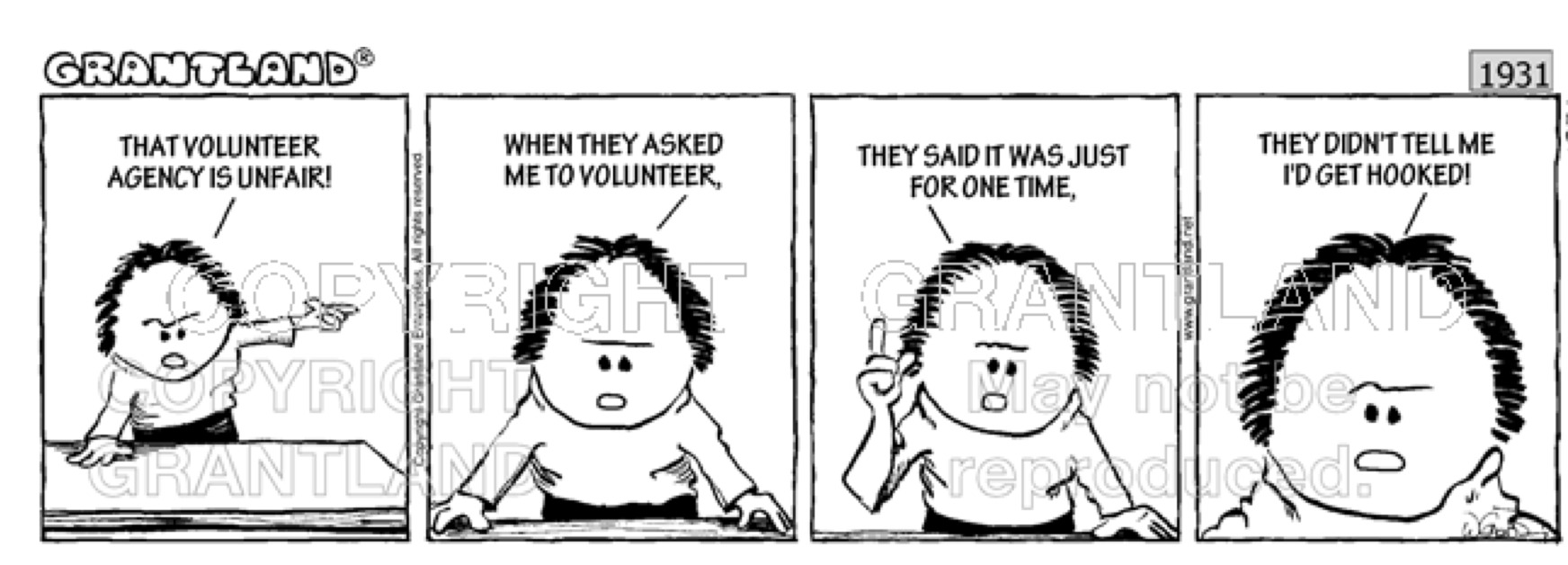
Accomplishing something like this would not only increase the number of alternative currency users, but also change the profile of the average volunteer.
Right now, most volunteers are retired seniors, homemakers and students looking to add to their resumes. Giving people useable credits in a system where there is a critical mass of users to make it actually work, will make it profitable for out-of-work and under employed people to join too.
There is so much more to this topic, but I think it’s important to stop here. At this point I want the focus of this website to be on the initial idea of explaining how the first part of a steady-state economy could be organized. That is, changing who makes the currency of a nation, how it’s distributed and how those few changes could change humanity’s negative impacts on the planet.
Subscribe below to be informed when new blogs have been added.


Latest Blogs
Blogs in Order
Blogs by Category
Join
Leave your comments...
0 Comments