Blog #18
Look Ma, I’m a biological response! (Blog 4 of 9 on Population)

Written by
Lory Kaufman

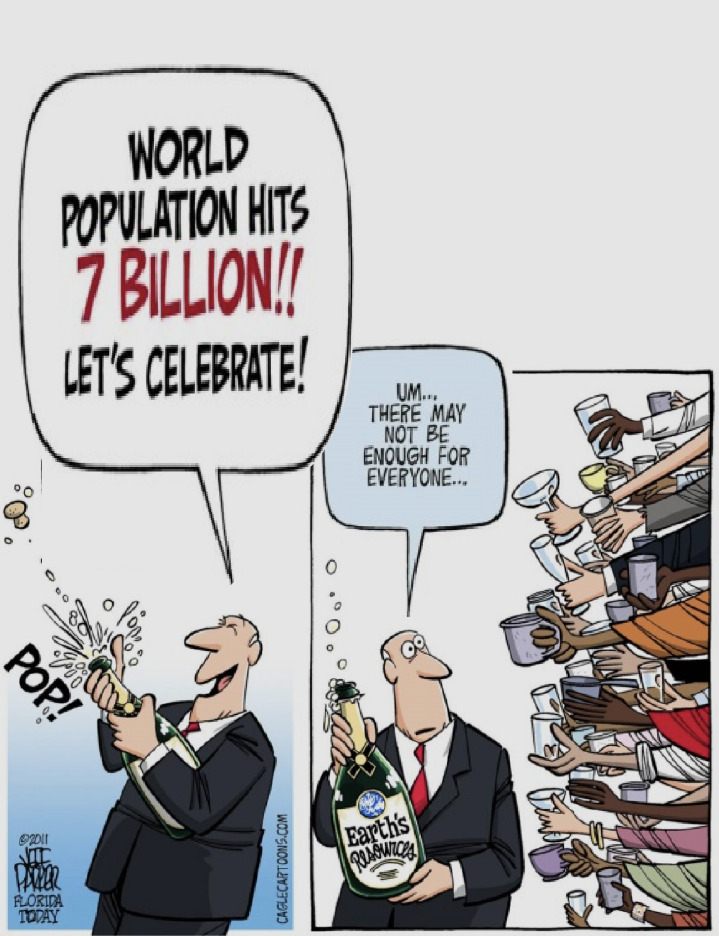
Scientists have ascertained that humans evolved into our present humanoid form about 200,000 years ago. It then took our ancestors some 190,000 years (95% of our existence), to use their superior cognitive abilities to come up with the invention of agriculture. As stated previously, it is estimated that at the time there were between one million and five million humans on planet Earth. After that, because of a steadily increasing food supply, as well as a host more of our inventions, infant mortality rate steadily decreased and the average human lifespan rose. Within the blink of a galactic eye, ten to thirteen-thousand years, the population of our species shot up to where it is as of this writing, well over seven BILLION. That’s 7,000 higher than it was at the beginning of civilization.

So, what should the steady-state population of Earth be?

I’m going to tell you what my best guess for a steady-state population was when I was writing my historical time-travel series, The Verona Trilogy.  The story is set in a future time when the world had accomplished reducing its population to a number that could be maintained for tens of thousands of years. The number? I chose 300,000,000, (three-hundred million). I must admit it was an arbitrary choice, but still 3000% higher than human population 12,000 years ago and just over 4% of what it is now. The real number scientists eventually will come up with may be anywhere between one million and a billion, (this wide variance will be explained soon) and will have to take into account keeping both humans and all the flora and fauna of the Earth living healthily for the next one-hundred centuries.
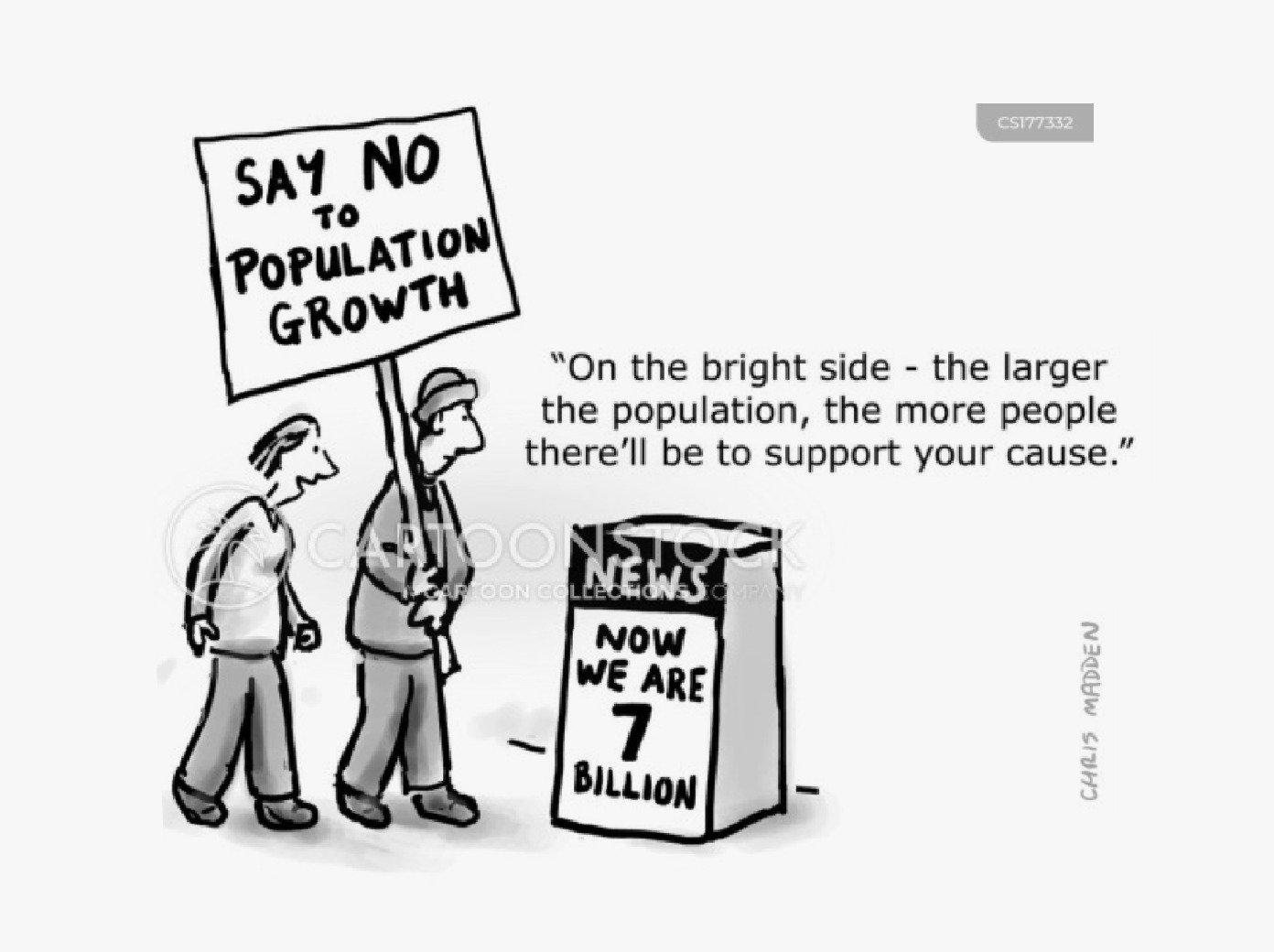
When we do finally engage in a serious world-wide conversation about what the human population of the planet should be, it will most-probably start as a very heated conversation. Among the detractors will be religious groups believing it’s their duty to procreate and ethnic groups who will think they are being targeted unfairly. And we can’t forget those who say the Earth can sustain many more billions and all it takes is technology and human ingenuity to get past the hurdles. Using technology in this way won’t save us as it increases consumption. The people who do continue to think this way forget the oceans are already greatly depleted of food sources and the soils we are already overworking will eventually lose their microbiological integrity.

Perhaps using synthetic fertilizers from natural gas and ground up minerals like potash can keep food production going for another century, but remember, we’re talking about having a 10,000 year minimum target for humans, and not just surviving but thriving with high-level lifestyles. And not just for the elites, like nobles in the past and the uber-wealthy today.

Yes, human ingenuity did get us over hurdles for the past ten-millennium. Population was constrained by nature and human ingenuity came up with agriculture and husbandry.

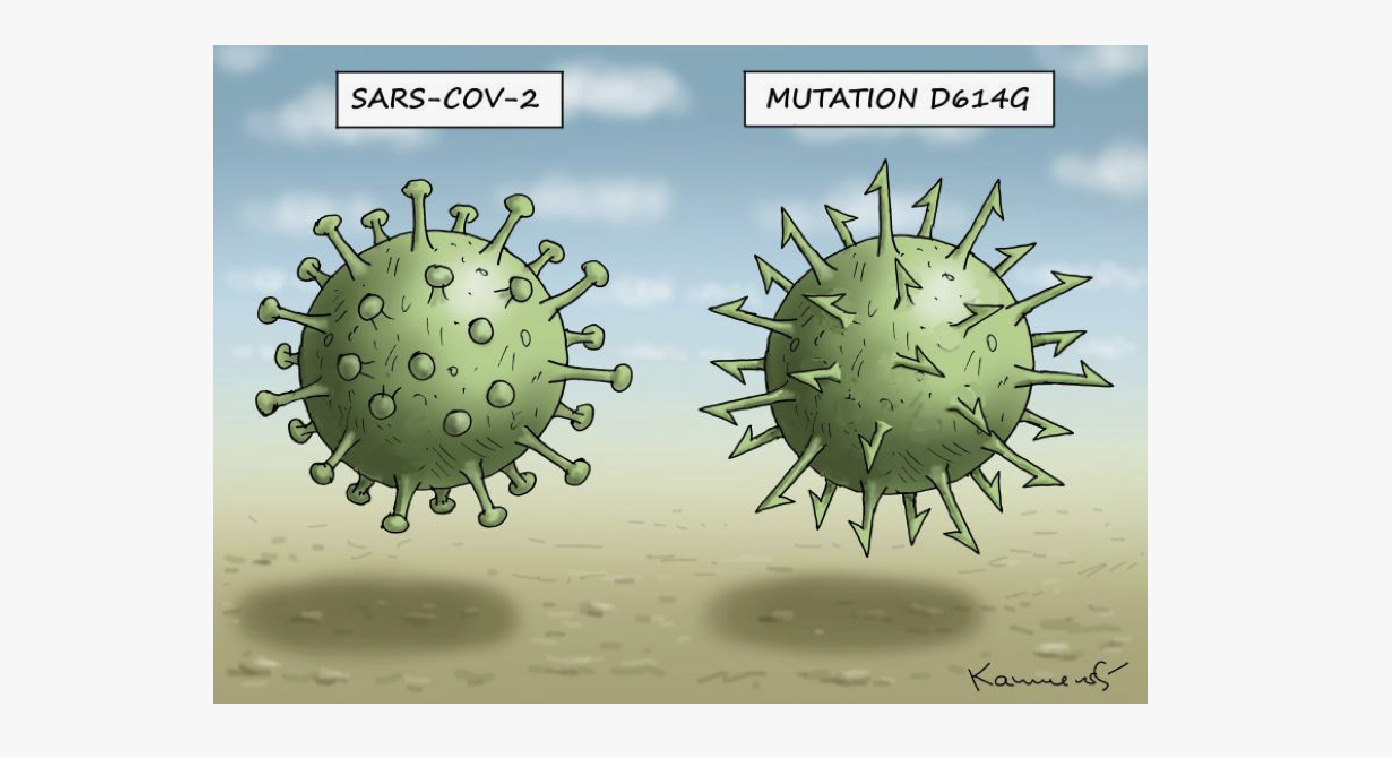
The ensuing population increase, even in small communities of several hundred or thousand, resulted in deaths from unsanitary conditions. This was somewhat alleviated by early civil and sanitation engineering, which allowed towns to grow into cities. After agriculture, civil engineering is probably the most important element that allowed populations to grow, until vaccinations were invented in the late 18th century and antibiotics in the mid-20th. However, even if human ingenuity can come up with fixes for the ever-mutating anti-bacterial superbugs and unexpected changes to viral diseases like Zika, MERS, SARS, Influenza, Ebola, Marburg, Lassa, Crimean-Congo hemorrhagic fever, Covid, etc, nature’s propensity to experiment will continue to come up with evermore complex biological challenges as we take over more of the natural environment.

And let us remember, nature’s mutations happen, not because there’s some intelligent hand trying to keep us in line, but because the continuous mutation of EVERYTHING cellular is the very process of life.

When an organism is happy and relatively unstressed, it mutates slowly. Heck, if I’m not stressed, I don’t push myself. But when an organism is strained by something making it difficult for it to feed and thrive, part of the organism causes it to mutate more quickly. Again, this is a natural, built-in response and what drives everything from the common cold, flu viruses, all bacteria, plants, fish, birds, mammals, lizards, everything.
If we look at humans as a single collective organism, we could even say that a percentage of people starting to study and think out loud about our possible collective demise could be considered as a biological response to the present threat of overpopulation. (Look Ma, I’m a biological response!)
To those insisting we can invent our way to continued population and economic growth, I would say this continued strategy is analogous to poking at a bear in a cage who, in return, is reaching out with its clawed paw to get us. We can poke the bear and step back a hundred times, a million times, and declare we’ve won. But eventually the bear is going to grab us. And for it to win it only has to catch us once.
Latest Blogs
Blogs in Order
Blogs by Category

Join

Leave your comments...


0 Comments

Submit a Comment

Your email address will not be published. Required fields are marked *