
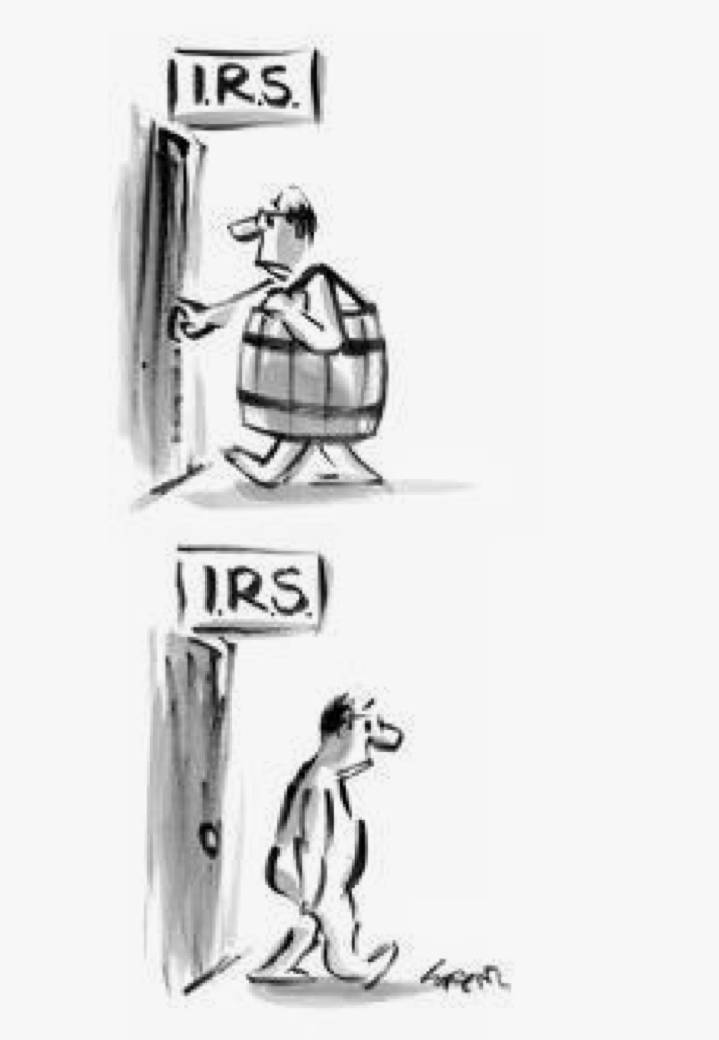
Blog #14 Reimagining Taxes

However, if government goes back to creating money somewhat in the way I’ve described in my steady-state example, or in the way in which Canada used to create money before 1973, then there will not be a massive need to find money for government services. This is especially true in my SSE example, where a portion of the budget-created currency is specifically used to provide services like healthcare, education and common infrastructure. So, will there be a need to tax citizens and businesses? And should they be called taxes? Maybe a new name would be better to make the transition.
I can list a few purposes of how taxes (or whatever they end up being called) could be used for in the new paradigm. However, a full list of these won’t become evident until economists with the ability to computer model SSE examples expand on what I or others put forward as new economic structures.
However, here are only two reasons I can think of as of this writing. More will be added as knowledgeable readers enlighten me.
1. The first reason is to take resource control currency out of circulation when manufacturers or merchants use virgin natural resources in a process or service. As described in the original explanation, this is to create a higher cost to make recycled more appealing. One thing missing from the original paper is that natural resources will also be priced a percentage higher than recycled product.
2. The other major reason I can think of is that the continual inserting of newly created money through guaranteed incomes could cause too much money to be in the system, thus causing possible inflation or similar maladies like we experience today. Taxes to relieve this bubble becomes more of an equalization tool, to take pressure out of the system, instead a way to collect money for civil projects.
It possibly would only be needed to depressurize the system by taking equally from different levels of the wealthy, preserving the ‘pecking order’ of the strong, so nothing really changes.
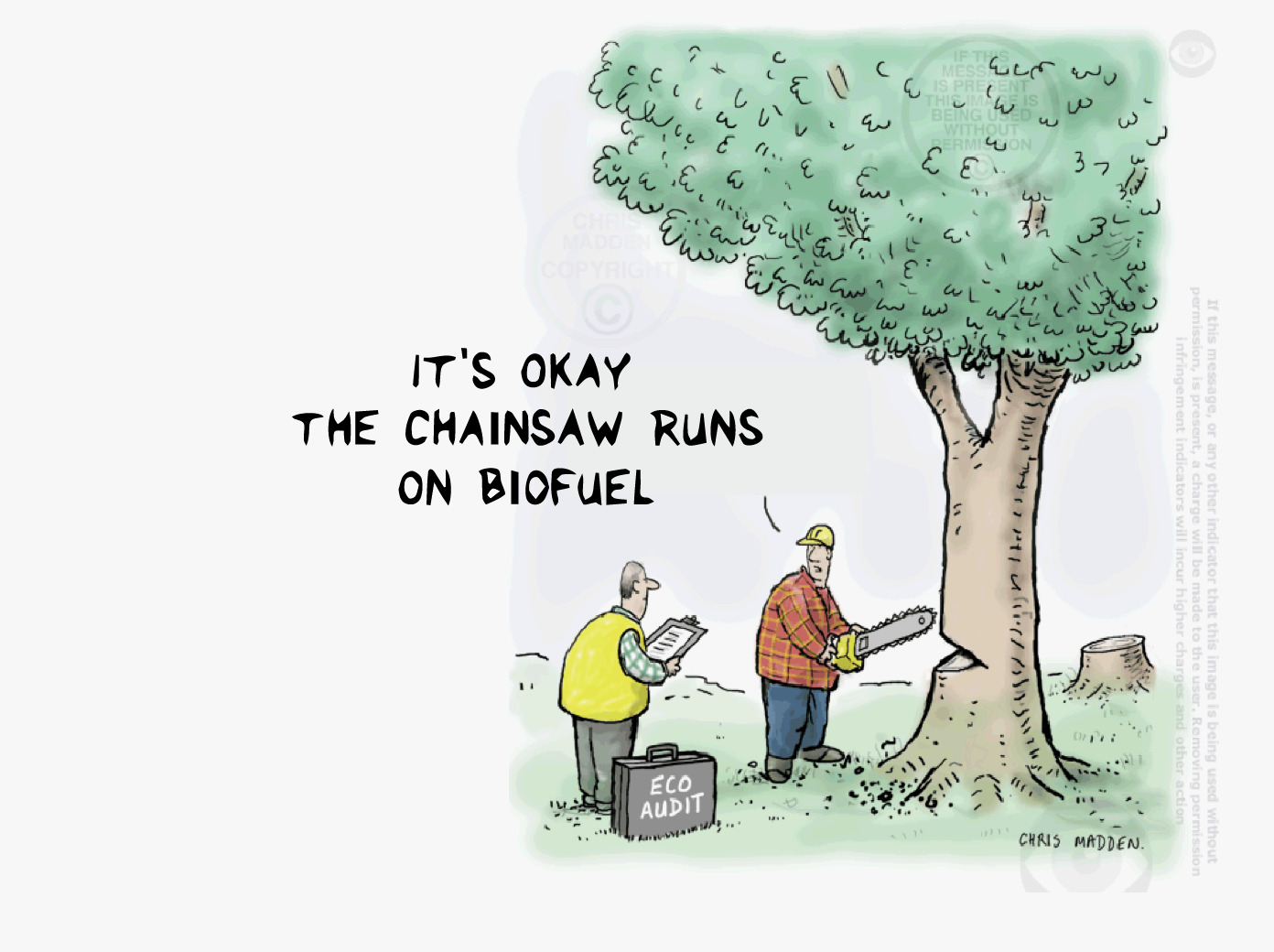
A current example would be our current Covid situation, where it’s imperative that the vast majority of populations stay at home to break the cycles. Guaranteed incomes allows that social safety net. Perhaps, short term, in such a civic emergency, more money could be pumped into the system, where it would flow through the citizens to take care of them and most probably end up in the coffers of the larger suppliers. When the crisis abates, a onetime equalization tax could reset the system back into whatever specialized economists and actuaries have determined for that particular generation.
If this sounds odd or naïve to readers, resetting an economy was not uncommon in most ancient cultures. Debt forgiveness was commonplace when a ruler determined that the rich had put his subjects into deep enough debt and the people were oppressed. This was a practice carried out, for instance, by King Hammurabi in Ancient Babylon in the 17th century BC, and in Egypt between the 8th and 4th century BC. The Book of Deuteronomy prescribes debt cancellation for the Jews every seven years, while Christianity’s Book of Leviticus declares it should happen every fifty years, a jubilee. It was only when nobles became more important to Kings that these practices stopped.
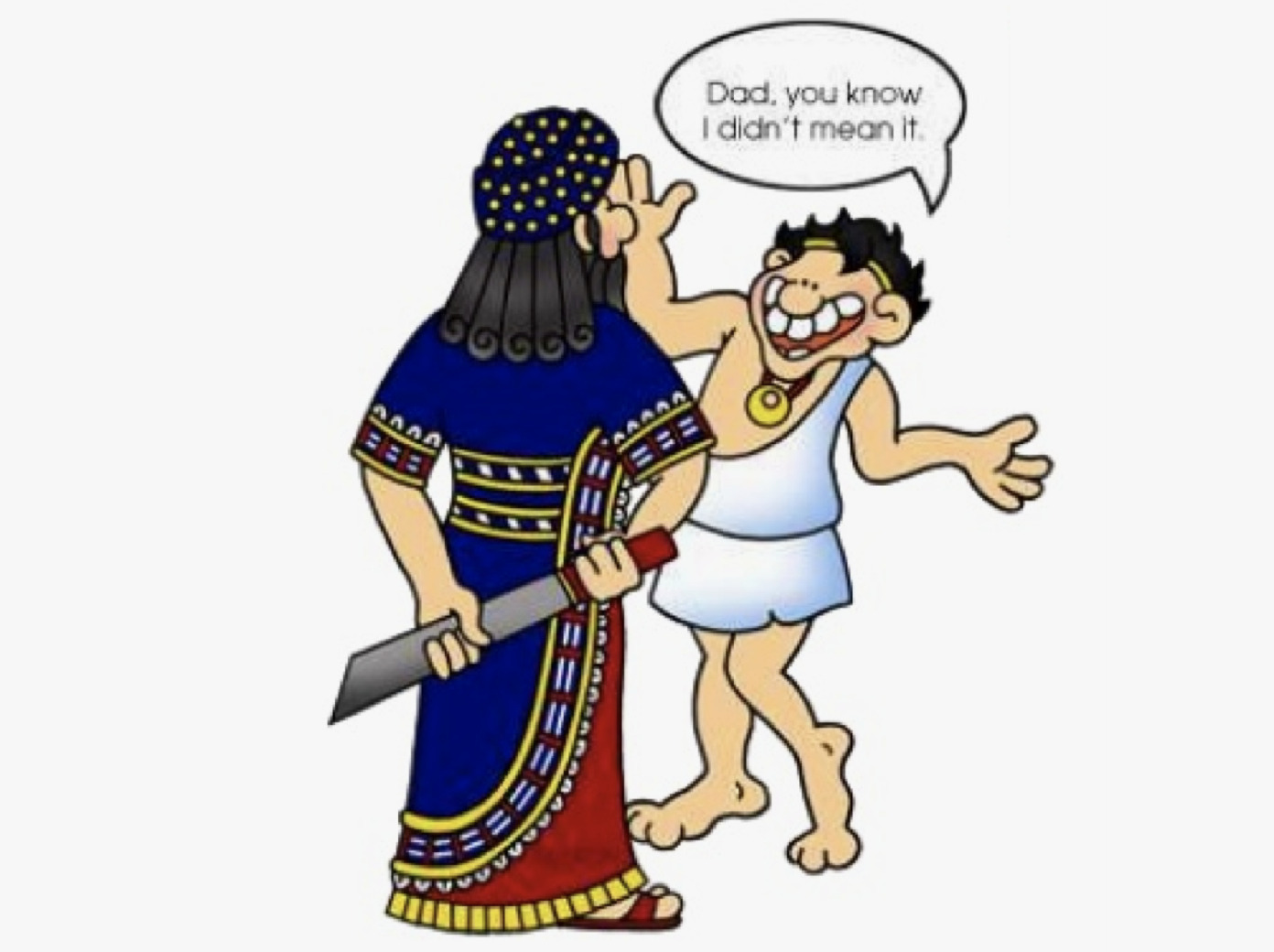
And today, again, whole populations are conditioned to believe a debt is a debt is a debt and the rich must pay, no matter the consequences to the population or the environment. Things can change. We can change them.
Of course, the good will of big business and banks will eventually have to be part of the solution, which is on zero display in our current situation. But I don’t see what is being proposed as theoretical. It’s a solution identifying problems to be solved.
In later blogs, when I talk about transitioning to a steady-state economy, there will be more about debt forgiveness, but let’s leave the idea of taxes for now.
It would be better to concentrate on the background information of the actual steady-state mechanisms. Taxes can be discussed more when enough people actually agree that SSE is a good idea for society to pursue. When it gets closer to becoming a reality, we will design a solution for the current situation at the time. Put simply, let’s put the horse before the cart.
I also think this may be an appropriate place to reiterate that interested parties (or people critical of SSE) look at these discussions, not like we’re trying to come up with an immutable system that will work in the same way for some millennium, but as a system that can get a long-lived economic system started and last through the next century, when we will need to take it to the next stage, to get the next generations through another few centuries or more.


Latest Blogs
Blogs in Order
Blogs by Category
Join
Leave your comments...
0 Comments