

Blog #24 Introduction to Alternative Currencies: (Blog 1 of 2 on Alternative Currencies)

This is a very abridged version of the alternative currency blogs I have planned. Since it’s currently being put together now for the ISEE/Degrowth Conference, I will only touch on it. In the weeks after I will add perhaps 15 expanded blogs on the history and details of a number of notable alternative currencies that could be instructive for steady-state advocates. For now, I’ll explain why alternative currencies, in concert with a government currency, could be useful in a steady-state economy.
Some of these currencies are backed a national currency, their primary purpose being to keep money in a region, and not drained off by larger outside businesses. Other alternative currencies are free-range currencies, a unit based on a higher minimum wage than a country currently supports.
Still, others are based on mutual aid or trade, where hours worked are banked by a central system. These last ones I found to be fascinating intellectual inventions, essentially where the labor of each participating individual creates the value in the currency as they work. They are not dependent of some outside authority or employer offering them scare monies.
These are known as time banks. But again, as this truncated version is being written for ecological economists and activists, I’ll presume much of this is already understood. For those who aren’t familiar, come back to this site soon, or subscribe to this blog at the bottom of the screen, to be notified when new blogs go up.
The many alternative currencies that have been created reflects millions of hours of devotion and goodwill by their organizers and participants. But still, there are probably less than one in ten-thousand people who have heard of alternative currencies.
The outcome of this reality came home to me during one of several phone interviews I had with a Mr. Don Bennett. In 1987, Don, along with his wife Donna, began an alternative currency know as Arizona Dollars (in the state of Arizona USA). Arizona Dollars were even mentioned in the Tom Cruise movie, Show Me the Money. I asked Don if the state or federal tax departments had ever caused him trouble. He said he only received one call years ago about a corporate member, and it had nothing to do with the American government or the banking system complaining.
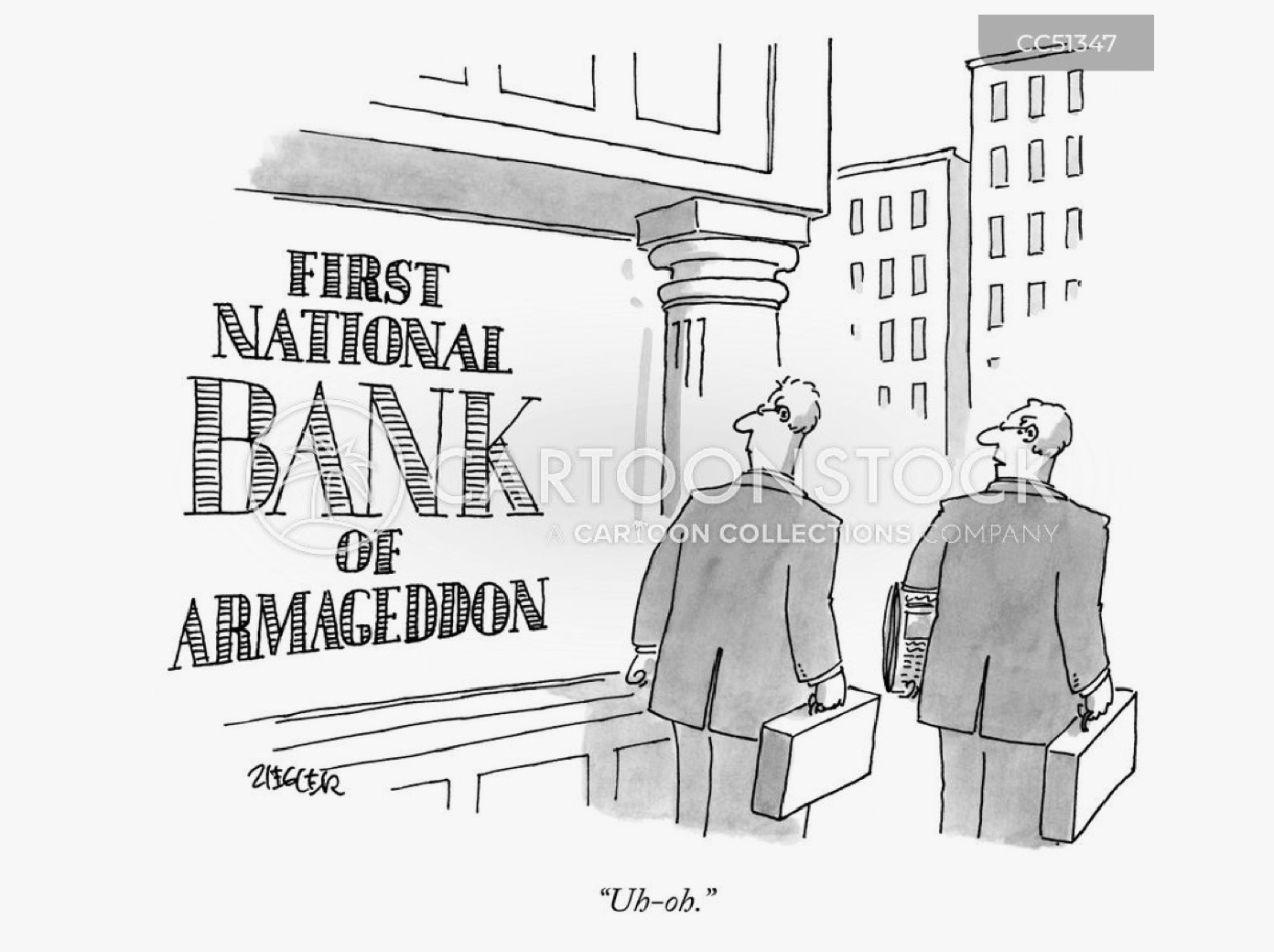
I was surprised at this, and so I said, “So, it seems to me that governments don’t see alternative money as a threat to the national currency’s supremacy. If an alternative currency takes a bit of stress off the little people’s lives, it just makes the official bank’s lives a little easier as they gobble up the country’s resources.”
“I guess you could look at it that way,” Don chuckled. My observation, not his.
The truth is, as of now, alternative currencies are not in any way a threat to national currencies.
(By the way, my interview with Don was in 2017 and, when I went to check on him while writing this blog, I saw that Arizona Dollars is now inactive.)
There is a great deal of variation in the way alternative currencies have been set up, depending on the organizers’ philosophy, where they are on the planet, what problems they were trying to address, how they are capitalized, or how the money comes into existence. Also, some organizers want their currency to make as big an impact as possible, while some want to stay under the radar. But, unfortunately, I noticed a number of unfortunate common outcomes. And these were that not one alternative currency I studied in the ‘developed’ world has had a large impact on many of their members.
They also don’t retain members, and none of them, from what I can see, have grown substantially. Therefore, the government, or really the major banks, don’t care.
So, what needs to change to make alternative currencies fill in the holes of what the government resource control currency can’t fulfill? In short, larger groups of users who are eager to continue using their local or regional currency. But how to make that happen? I give one idea in a minute.
Perhaps readers can suggest more.



Latest Blogs
Blogs in Order
Blogs by Category
Join
Leave your comments...
0 Comments